

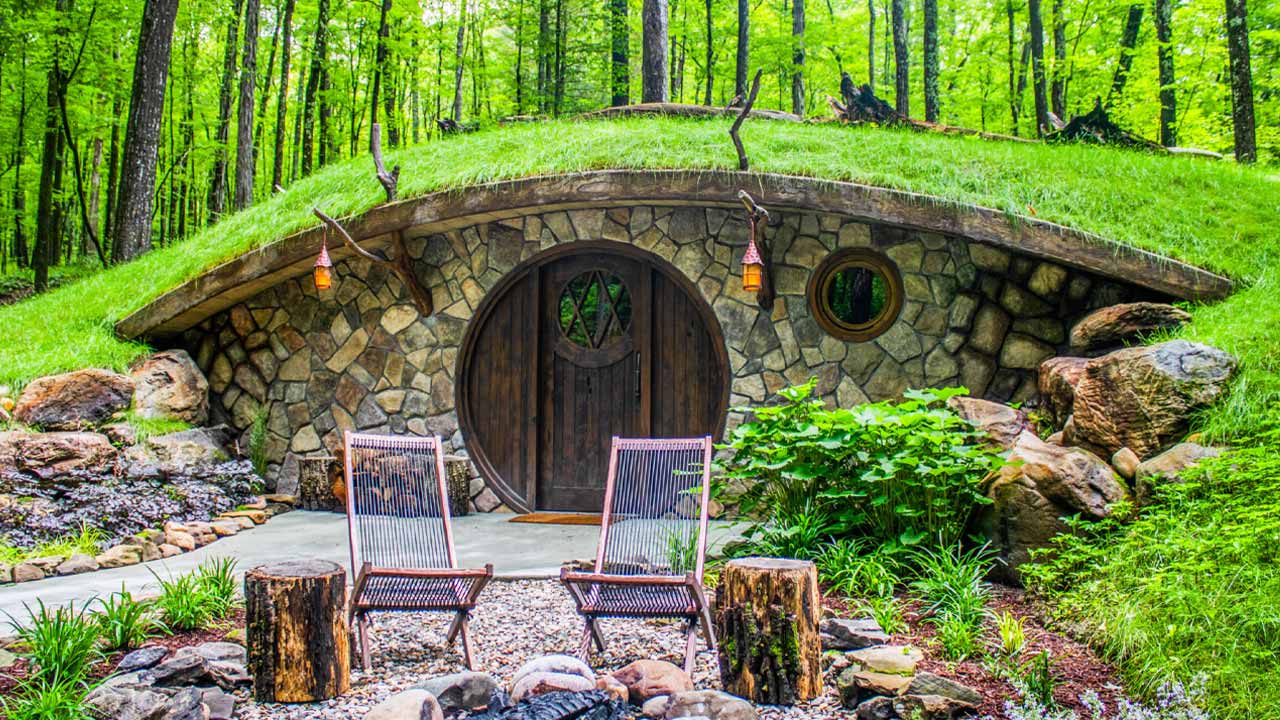
Few architectural ideas have captured the imagination of people around the world quite like the hobbit house. Inspired by fantasy literature yet deeply rooted in ancient building traditions, this style of home represents comfort, simplicity, and harmony with the natural environment. With its rounded doors, grass-covered roofs, and cozy interiors, it feels less like a modern structure and more like a natural extension of the landscape itself. Over the years, this concept has Hobbit House evolved from a fictional dwelling into a real-life housing trend embraced by eco-conscious homeowners, designers, and dreamers alike.
This article explores the origins, design principles, construction methods, sustainability benefits, and modern adaptations of this enchanting architectural style. Whether you admire it for its whimsical beauty or its practical advantages, the story of this unique home design is both fascinating and inspiring.
Origins Rooted in Story and History
The idea of living within the earth is far older than modern fantasy stories. Long before novels and films popularized underground homes, ancient civilizations across Europe, Asia, and the Middle East built earth-sheltered dwellings to protect themselves from Hobbit House harsh climates. These homes maintained stable indoor temperatures, provided shelter from strong winds, and blended naturally with their surroundings.
The modern cultural image, however, is heavily influenced by literary imagination. Descriptions of small, warm, earth-covered homes with round windows and wooden interiors sparked a worldwide fascination. This imagery rekindled interest in natural building methods and brought attention back to the benefits of living close to the land.
Key Architectural Features
What makes this style instantly recognizable are its distinctive design elements. Each feature serves both an aesthetic and functional purpose.
Rounded Shapes and Organic Forms
Straight lines are rare in this type of architecture. Walls curve gently, doorways are circular, and windows often resemble portholes. These shapes create a sense of softness and flow, helping the structure blend into the environment rather than dominate it.
Earth-Sheltered Construction
One of the defining characteristics is partial or full integration into the ground. Earth-covered walls and roofs provide natural insulation, keeping interiors Hobbit House warm in winter and cool in summer. This design also offers protection from noise and extreme weather.
Natural Materials
Wood, stone, clay, and earth are the primary building materials. These elements not only reduce environmental impact but also create a warm and inviting atmosphere indoors. Handcrafted details add character and individuality to each home.
Interior Design and Atmosphere
Inside, these homes feel intimate and welcoming. The focus is on comfort rather than grandeur, creating spaces that encourage relaxation and connection.
Cozy Living Spaces
Low ceilings, built-in furniture, and soft lighting Hobbit House make rooms feel snug and secure. Fireplaces or wood-burning stoves often serve as the heart of the home, providing warmth and a gathering place.
Functional Simplicity
The layout is typically efficient, with every corner serving a purpose. Storage is cleverly integrated into walls or under stairs, reducing clutter and maintaining a clean, harmonious look.
Connection to Nature
Large windows and skylights allow natural light Hobbit House to filter in, while views of greenery reinforce the sense of living within the landscape. Indoor plants and natural textures further blur the boundary between inside and outside.
Sustainability and Environmental Benefits
One of the strongest appeals of this housing style lies in its eco-friendly nature. As concerns about climate change and sustainable living grow, more people are turning to designs that minimize environmental impact.
Energy Efficiency
Earth-sheltered homes require less energy for heating Hobbit House and cooling due to natural insulation. This results in lower energy bills and a reduced carbon footprint.
Reduced Material Waste
Using locally sourced and natural materials decreases transportation emissions and supports regional economies. Many builders also incorporate recycled or reclaimed materials into construction.
Long-Term Durability
Properly built earth-integrated homes can last for generations. Their solid construction and protection from environmental stressors contribute to their longevity.
Building a Hobbit House in the Modern World
Planning and Design
Constructing a hobbit house requires careful planning and collaboration with architects or designers familiar with natural building techniques. Site selection is crucial, as drainage, soil stability, and sunlight exposure all influence the final design.
Legal and Zoning Considerations
Before building, it is essential to understand Hobbit House local building codes and zoning regulations. Some areas may have restrictions on unconventional housing styles, while others encourage sustainable development.
Construction Techniques
Modern builders often combine traditional methods with contemporary technology. Reinforced concrete, waterproof membranes, and advanced insulation materials help ensure safety and comfort while preserving the organic appearance.
Popular Uses Beyond Residential Living
While many people choose this style for full-time living, it has also found popularity in other areas.
Eco-Tourism and Guest Lodges
Nature retreats, eco-resorts, and vacation rentals frequently feature these homes as unique accommodations. Guests are drawn to the immersive Hobbit House experience of staying in a structure that feels both magical and environmentally responsible.
Creative Spaces and Studios
Artists, writers, and craftspeople often use these buildings as studios or retreats. The peaceful atmosphere and natural surroundings foster creativity and focus.
Community Projects
Some sustainable communities incorporate multiple earth-integrated homes into shared living spaces, promoting cooperation, environmental stewardship, and a slower pace of life.
Cultural Impact and Global Appeal
The global fascination with this architectural style goes beyond aesthetics. It represents a longing for simplicity, a return to nature, and a rejection of overly Hobbit House complex modern living. Social media, films, and eco-living movements have all contributed to its rising popularity.
In different parts of the world, local traditions influence the design. From grass-roofed dwellings in northern climates to clay-based structures in warmer regions, the concept adapts beautifully to diverse environments.
Challenges and Considerations
Despite its many advantages, this type of home is not without challenges.
Moisture and Ventilation
Proper waterproofing and ventilation systems are essential to prevent dampness and maintain indoor air quality.
Initial Construction Costs
While long-term savings are significant, upfront costs Hobbit House can be higher due to specialized design and labor.
Limited Expansion Options
Because these homes are integrated into the land, expanding or remodeling them can be more complex than with conventional structures.
Conclusion: A Lifestyle as Much as a Home
The hobbit house is more than a unique architectural style; it represents a philosophy of living in balance with nature. From its ancient roots to its modern sustainable applications, this type of home offers comfort, efficiency, and a deep sense of belonging. As people Hobbit House continue to seek alternatives to fast-paced urban living, earth-integrated homes stand as a timeless reminder that true luxury often lies in simplicity.
