

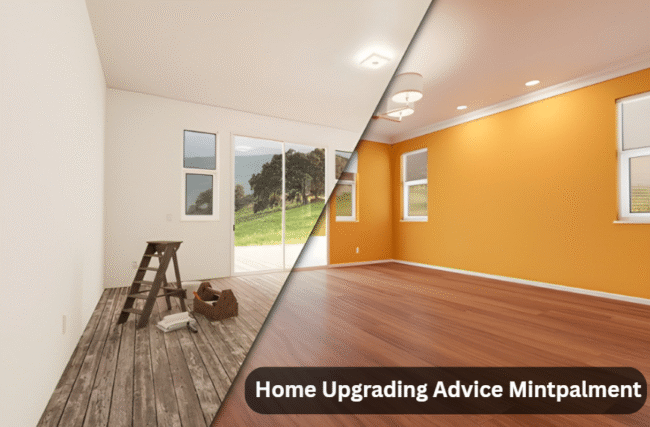
Upgrading a home is both exciting and challenging. Whether your goal is to improve comfort, boost property value, or create a more stylish living space, the process can feel overwhelming without proper guidance. That’s where home upgrading advice mintpalment comes in: expert strategies, tips, and practical steps to help you make informed decisions and successfully transform your home. This guide will cover planning, key upgrades, cost-saving tips, and innovative ideas that combine aesthetics and functionality.
Introduction: Understanding Home Upgrading Advice Mintpalment
Home upgrading advice mintpalment is more than just renovation tips. It represents a thoughtful approach to improving your living space, focusing on making impactful changes that enhance both usability and appearance. With this advice, homeowners can plan effectively, avoid costly mistakes, and achieve a balance between beauty, comfort, and long-term value.
The key is to approach home upgrades strategically. Small cosmetic changes are valuable, but addressing structural, functional, and energy-efficient improvements first can save time, money, and stress in the long run. Whether you’re renovating a single room, upgrading your entire home, or planning to sell in the future, following structured advice ensures better outcomes.
1. Begin with a Clear Plan and Budget
Every successful home improvement project begins with a well-defined plan. Without one, projects can quickly become chaotic, expensive, and frustrating.
Establish a Realistic Budget
Budgeting is essential for avoiding overspending. Start by assessing your financial capacity and allocating funds for different aspects of your project. Include costs for materials, labor, permits, and a contingency fund for unexpected expenses. A general rule of thumb is to set aside 10–15% of your total budget for unforeseen circumstances.
Create a Project Timeline
Prioritize tasks based on urgency and impact. For example, essential repairs—such as fixing plumbing leaks, addressing electrical issues, or repairing a damaged roof—should be handled before cosmetic updates. A timeline ensures each stage is completed in order and prevents overlap that can lead to delays or extra costs.
Define Your Goals
Identify what you want to achieve with your home upgrades. Are you seeking better functionality, increased property value, enhanced aesthetics, or a combination of all three? Clear goals will guide decisions and help you select projects with the highest impact.
2. Focus on High-Impact Areas
Some areas of a home provide a better return on investment than others. Focusing on these spaces ensures that your efforts are meaningful and noticeable.
Kitchen Upgrades
The kitchen is often the most important room in the home. Updates such as new countertops, modern cabinets, energy-efficient appliances, or improved lighting can dramatically change its look and usability. Even minor changes, like installing a backsplash or adding open shelving, enhance both style and functionality.
Bathroom Enhancements
Bathrooms are another high-value area. Upgrading fixtures, adding storage solutions, or improving lighting can make a small space feel luxurious. Consider water-saving features such as low-flow faucets and showerheads to increase efficiency while adding appeal.
Flooring Updates
Flooring greatly impacts the overall aesthetic and functionality of your home. Hardwood, engineered wood, tiles, or high-quality laminate can provide durability, comfort, and style. Consistent flooring throughout open spaces can create a cohesive look and visually expand your rooms.
3. Boost Curb Appeal
First impressions are crucial, especially if selling your home is a future consideration. Exterior upgrades not only improve aesthetics but also increase overall value.
Fresh Exterior Finishes
A new coat of paint or exterior siding can completely refresh the appearance of your home. Choose colors that complement architectural features and harmonize with the surrounding environment.
Landscaping and Outdoor Spaces
Simple landscaping changes—such as planting shrubs, trimming trees, and maintaining lawns—enhance the home’s visual appeal. Outdoor lighting highlights pathways, entrances, and garden features, creating a welcoming atmosphere while improving safety.
Roof and Windows
Replacing an aging roof or installing energy-efficient windows improves both the look and performance of your home. Proper insulation and weatherproofing reduce energy costs while providing a comfortable interior.
4. Upgrade Interiors for Comfort and Style
Interior improvements focus on creating a space that is both functional and visually appealing.
Painting and Wall Treatments
Painting walls is a simple yet transformative upgrade. Neutral tones create a calm, inviting environment, while accent walls add personality and depth. Textured finishes, wallpapers, or paneling can further enhance the visual appeal of any room.
Lighting Enhancements
Lighting is often overlooked but can dramatically affect a home’s atmosphere. Combine ambient, task, and accent lighting to create balance and highlight key features. Energy-efficient LED lights reduce costs while providing versatility.
Smart Storage Solutions
Clutter-free homes feel larger and more organized. Built-in cabinets, under-stair storage, floating shelves, and modular furniture can maximize space while keeping your home tidy.
5. Incorporate Smart and Sustainable Features
Sustainability and technology are increasingly important in modern homes. Integrating these features can improve comfort, reduce costs, and add long-term value.
Smart Home Technology
Smart devices—such as thermostats, lighting systems, and security cameras—enhance convenience and efficiency. Voice-controlled assistants, smart locks, and app-managed lighting provide modern functionality and increased security.
Energy-Efficient Upgrades
Installing high-efficiency appliances, insulation, and solar panels reduces energy consumption and lowers utility bills. Energy-efficient upgrades are appealing to environmentally conscious homeowners and future buyers alike.
6. Prioritize Safety and Practical Improvements
Functionality and safety should never be overlooked.
Electrical and Plumbing Updates
Upgrading outdated wiring and plumbing ensures safety and compliance with building codes. Modern systems support current and future household demands, reducing the risk of costly damage or hazards.
Structural and Roof Checks
Inspecting foundations, walls, and roofing can prevent long-term damage. Timely repairs maintain the home’s structural integrity, safeguard investments, and provide peace of mind.
7. Final Touches for Personal Comfort
Once major upgrades are complete, attention to personal touches and details makes a home truly feel like your own.
Decor and Furnishing
Select furniture, textiles, and décor items that reflect your style while complementing renovations. Layering textures, colors, and patterns adds warmth and character to your home.
Greenery and Natural Elements
Indoor plants or natural materials like wood and stone can enhance air quality and create a welcoming atmosphere. Small additions like potted plants or indoor herb gardens bring life to living spaces.
Seasonal and Personal Accents
Rotating décor for seasons or holidays keeps the home dynamic and fresh. Personal items, art, and family photos add unique charm and comfort to every room.
Conclusion: The Power of Home Upgrading Advice Mintpalment
Following home upgrading advice mintpalment allows homeowners to approach renovations with confidence and clarity. By planning strategically, focusing on high-impact areas, investing in sustainable and smart features, and enhancing both safety and aesthetics, you can transform your home into a space that’s functional, beautiful, and valuable.
Even small upgrades can have a big impact. Thoughtful choices in paint, lighting, flooring, and storage create noticeable improvements, while larger structural or energy-efficient changes provide long-term benefits. With the right guidance, every upgrade becomes a step toward creating a home that truly reflects your lifestyle, taste, and aspirations.
Remember, home upgrading is not just about changing a space—it’s about enhancing your life. By following practical advice, prioritizing impactful changes, and maintaining a balance between function and beauty, you can achieve a home that is both inviting and rewarding for years to come.
