

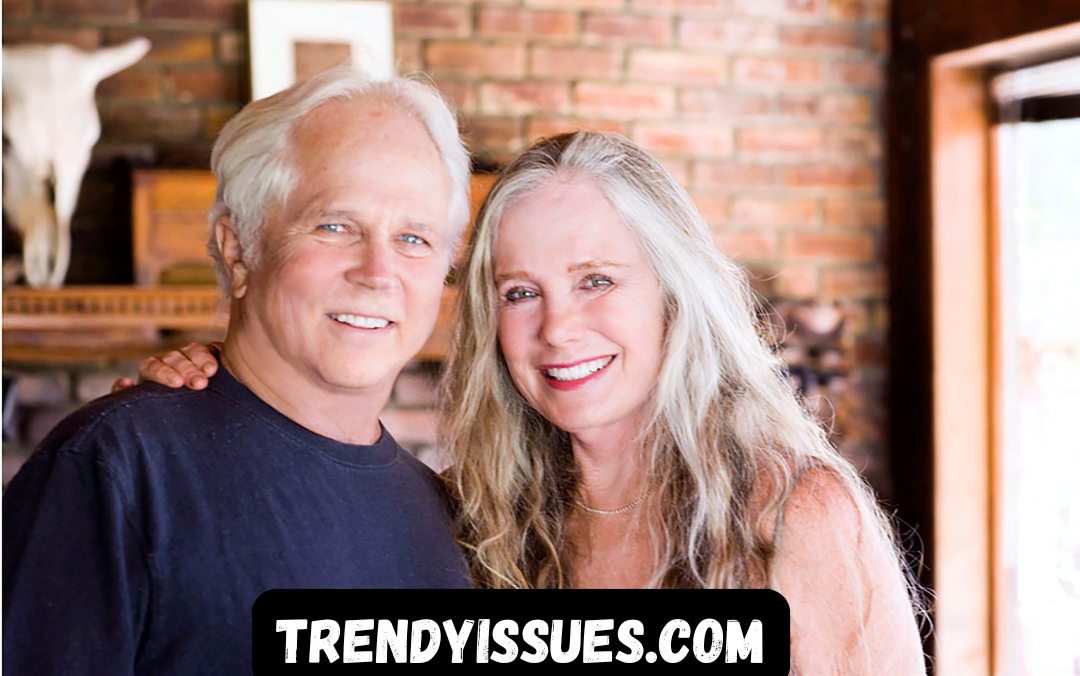
Carol Marlow is a name often mentioned in connection with classic American television history, yet her own life story stands apart from fame, publicity, and celebrity ambition. Best known as the first wife of actor Tony Dow—who portrayed Wally Cleaver on the iconic Carol Marlow television series Leave It to Beaver—Carol Marlow represents a generation of individuals who lived close to Hollywood but chose a private, grounded life instead. Her story is not one of red carpets and interviews, but of family, resilience, and the deliberate decision to remain out of the public eye.
This article explores the life of Carol Marlow in depth, including her background, marriage, family life, personal values, and lasting legacy. While she never pursued celebrity status herself, her life offers insight into the human side of fame and the importance of personal identity beyond public recognition.
Early Life and Family Background
Carol Marlow was born in August 1942 in Los Angeles, California. Growing up in mid-20th-century America, she was raised during a time when traditional family values, community bonds, and modest lifestyles were widely emphasized. Her parents instilled in her a strong sense of responsibility and personal integrity, qualities that would later define many of her life choices.
Although Los Angeles was—and remains—the heart of the entertainment industry, Carol’s upbringing was not centered on show business. She grew up in a relatively normal household, surrounded by family, education, and everyday routines. Unlike many people living near Hollywood, she did not aspire to act or work in film or television. Instead, she developed an appreciation for privacy and stability early in life.
Little public information exists about her education or early career ambitions, which in itself reflects her preference for remaining outside public documentation. This lack of exposure would later become a defining characteristic of her identity.
Meeting Tony Dow
Carol Marlow’s life took a notable turn when she met Tony Dow, a former child actor who had grown up in front of millions of television viewers. By the time they met, Tony was transitioning from child stardom into adulthood, navigating the challenges that often come with early fame.
The two formed a relationship based on mutual respect and personal connection rather than public image. Their bond eventually led to marriage, marking the point at which Carol Marlow became indirectly associated with one of America’s most beloved television families.
Marriage and Life as a Celebrity Spouse
Carol Marlow married Tony Dow on June 14, 1969. At the time, Tony was already a recognizable figure due to the enduring popularity of Leave It to Beaver. Despite this, Carol did not attempt to step into the spotlight. She rarely attended public events and did not seek media attention.
Being married to a public figure often brings scrutiny and expectations, but Carol approached her role with discretion. She focused on maintaining a stable home life while Tony continued to work in acting, directing, and later sculpture. Their marriage lasted over a decade, a significant achievement considering the pressures commonly faced by couples connected to the entertainment industry.
During these years, Carol Marlow became known among those close to the family as a supportive partner who valued emotional balance and normalcy. Rather than defining herself through her husband’s fame, she preserved her own identity and personal boundaries.
Motherhood and Family Life
One of the most important chapters in Carol Marlow’s life was becoming a mother. In 1973, she and Tony Dow welcomed their son, Christopher Taylor Dow. Motherhood became a central focus of her life, and she devoted herself to raising her child in a nurturing and grounded environment.
Carol worked to ensure that her son experienced a childhood rooted in stability rather than celebrity culture. Although Christopher made a brief appearance on television as a child, he did not pursue long-term fame. This outcome reflects Carol’s influence and her belief in allowing children to shape their own paths.
Later in life, Carol also became a grandmother. Her role expanded from mother to matriarch, continuing her legacy of family-centered values across generations.
Divorce and Personal Independence
After approximately eleven years of marriage, Carol Marlow and Tony Dow divorced in 1980. Unlike many high-profile separations, their divorce was handled quietly, without public controversy or media spectacle. Both individuals moved forward respectfully, focusing on their responsibilities and personal growth.
For Carol, the divorce marked a return to an even more private life. She did not give interviews, write memoirs, or attempt to redefine herself through public narratives. Instead, she concentrated on raising her son and building a life aligned with her personal principles.
This period highlights Carol’s independence and emotional strength. She demonstrated that it is possible to step away from a well-known name and still lead a fulfilling, purposeful life.
Values and Personality
Those who study or discuss Carol Marlow often describe her as reserved, thoughtful, and deeply family-oriented. She valued authenticity over appearance and consistency over attention. These traits allowed her to navigate life connected to fame without being consumed by it.
Her personality contrasts sharply with the stereotypical image of Hollywood spouses. Rather than leveraging her association for personal gain, she embraced anonymity. This choice speaks to a strong sense of self and a clear understanding of what truly mattered to her.
Life Away from the Public Eye
In her later years, Carol Marlow continued to live quietly, largely away from public documentation. She did not maintain a public social media presence and remained absent from celebrity news cycles. This absence was not accidental—it was intentional.
Her lifestyle serves as a reminder that significance is not measured by visibility. Carol’s influence exists primarily within her family and personal relationships, where it arguably matters most.
Legacy and Cultural Relevance
Although Carol Marlow is not a public figure in the traditional sense, her life carries cultural relevance. She represents the many individuals who exist alongside famous names yet choose a different path—one rooted in privacy, family, and personal fulfillment.
Her story adds depth to the broader narrative of classic American television history by highlighting the lives behind the scenes. While fans may remember Tony Dow as Wally Cleaver, Carol Marlow is remembered by those who know her story as a woman of quiet strength and enduring values.
Conclusion
Carol Marlow’s life is a powerful example of choosing substance over spectacle. From her early years in California to her marriage, motherhood, and life beyond Carol Marlow divorce, she consistently prioritized family, dignity, and personal authenticity. Though her name is often mentioned in relation to a famous actor, her identity stands on its own.
