

Argentina Landmarks is a country of immense geographic diversity and cultural depth, stretching from the tropical north to the icy edges of Patagonia. Its vast territory is home to some of the most remarkable sites in South America, blending dramatic natural scenery with powerful symbols of history, politics, and art. Exploring Argentina landmarks offers travelers a unique opportunity to understand the nation’s identity, shaped by Indigenous heritage, European influence, and breathtaking Argentina Landmarks landscapes. From grand urban monuments to remote natural wonders, these landmarks tell the story of Argentina in unforgettable ways.
The Obelisk of Buenos Aires: Symbol of the Capital
Standing tall in the heart of Buenos Aires, the Obelisk is one of the most recognizable landmarks in the country. Located at the intersection of Avenida 9 de Julio—often considered the widest avenue in the world—this towering monument was erected in 1936 to commemorate the 400th anniversary of the city’s founding.
The Obelisk has become a focal point for celebrations, Argentina Landmarks protests, and cultural events. Whether lit up in national colors or serving as a backdrop for major public gatherings, it represents the dynamic spirit of Argentina’s capital. Its central location makes it a natural starting point for exploring nearby theaters, cafés, and historic neighborhoods.
Iguazú Falls: Nature at Its Most Powerful
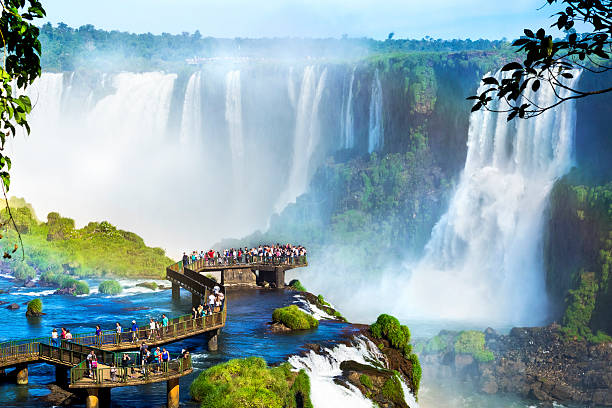
Among the most spectacular natural wonders on Earth, Iguazú Falls lies on the border between Argentina and Brazil. Comprising more than 270 individual waterfalls Argentina Landmarks spread across nearly three kilometers, this site showcases nature’s raw power and beauty. The most famous section, known as the Devil’s Throat, features a massive U-shaped cascade where water plunges into a roaring abyss.
Surrounded by subtropical rainforest, Iguazú Falls is also a biodiversity hotspot. Visitors can spot colorful birds, butterflies, and even coatis while walking along the carefully designed trails and boardwalks. As one of the most visited Argentina landmarks, it leaves an indelible impression on all who witness it.
Perito Moreno Glacier: A Living Ice Giant
Located in Los Glaciares National Park in Patagonia, the Perito Moreno Glacier is one of the few glaciers in the world that is still advancing. This colossal wall of ice stretches for nearly 30 kilometers and rises dramatically above the turquoise waters of Lake Argentino.
What makes this glacier especially captivating is its constant movement. Massive chunks of ice frequently break off and crash into the lake Argentina Landmarks below, creating thunderous sounds and waves. Well-maintained viewing platforms allow visitors to safely observe this natural phenomenon up close. The Perito Moreno Glacier is a powerful reminder of nature’s scale and fragility.
Casa Rosada: The Pink House of Power
The Casa Rosada, or Pink House, serves as the executive mansion and office of the President of Argentina. Located in Buenos Aires, this historic building is instantly recognizable due to its distinctive pink color, which has become the subject of many legends and interpretations.
Beyond its appearance, the Casa Rosada holds immense political and historical significance. It has been the stage for pivotal moments in Argentine history, including iconic speeches delivered from its balconies. Today, parts of the building are open to the public, offering insight into the nation’s political past and present.
Recoleta Cemetery: A City of Marble and Memory
Recoleta Cemetery is unlike any other burial ground in the world. Often described as a city of the dead, it features elaborate mausoleums, statues, and crypts arranged along narrow walkways. Many of Argentina’s most influential figures are buried here, including Eva Perón, one of the country’s most iconic personalities.
The cemetery reflects a blend of architectural styles, from neoclassical to art deco, showcasing the wealth and aspirations of Buenos Aires’ elite during the late 19th and early 20th centuries. As one of the most fascinating Argentina landmarks, it attracts visitors interested in history, art, and storytelling.
Quebrada de Humahuaca: A Valley of Colors and Culture
In northern Argentina, the Quebrada de Humahuaca Argentina Landmarks is a stunning mountain valley known for its vibrant, multicolored rock formations. Shaped over millions of years, the valley displays layers of red, purple, green, and yellow minerals that create a surreal landscape.
Beyond its visual appeal, the region holds deep Argentina Landmarks cultural importance. It has been a vital trade route for over 10,000 years and remains home to Indigenous communities that preserve ancient traditions, music, and festivals. Small towns along the valley offer a glimpse into a slower, more traditional way of life.
Ushuaia and Tierra del Fuego: The End of the World
Often referred to as the southernmost city in the world, Ushuaia sits at the edge of the Tierra del Fuego archipelago. Surrounded by mountains, forests, and the Argentina Landmarks Beagle Channel, the city serves as a gateway to Antarctica and the far southern wilderness.
Nearby Tierra del Fuego National Park features dramatic coastal scenery, hiking trails, and abundant wildlife. The region’s rugged beauty and sense of isolation make it one of the most unique destinations among Argentina landmarks, appealing to adventurers and nature lovers alike.
Teatro Colón: A Temple of Music
The Teatro Colón in Buenos Aires is widely regarded as one of the finest opera houses in the world. Opened in 1908, it boasts exceptional acoustics and stunning architecture, blending Italian Renaissance, French Baroque, and German influences.
Renowned performers from around the globe have Argentina Landmarks graced its stage, and guided tours allow visitors to admire its lavish interiors, including grand staircases, chandeliers, and ornate detailing. The Teatro Colón stands as a testament to Argentina’s rich cultural and artistic heritage.
Conclusion: Discovering the Soul of Argentina
From roaring waterfalls and towering glaciers to historic buildings and colorful valleys, Argentina offers an extraordinary range of landmarks Argentina Landmarks that reflect its diverse character. Exploring Argentina landmarks is more than a sightseeing experience—it is a journey through the country’s history, природal wonders, and cultural soul.
