

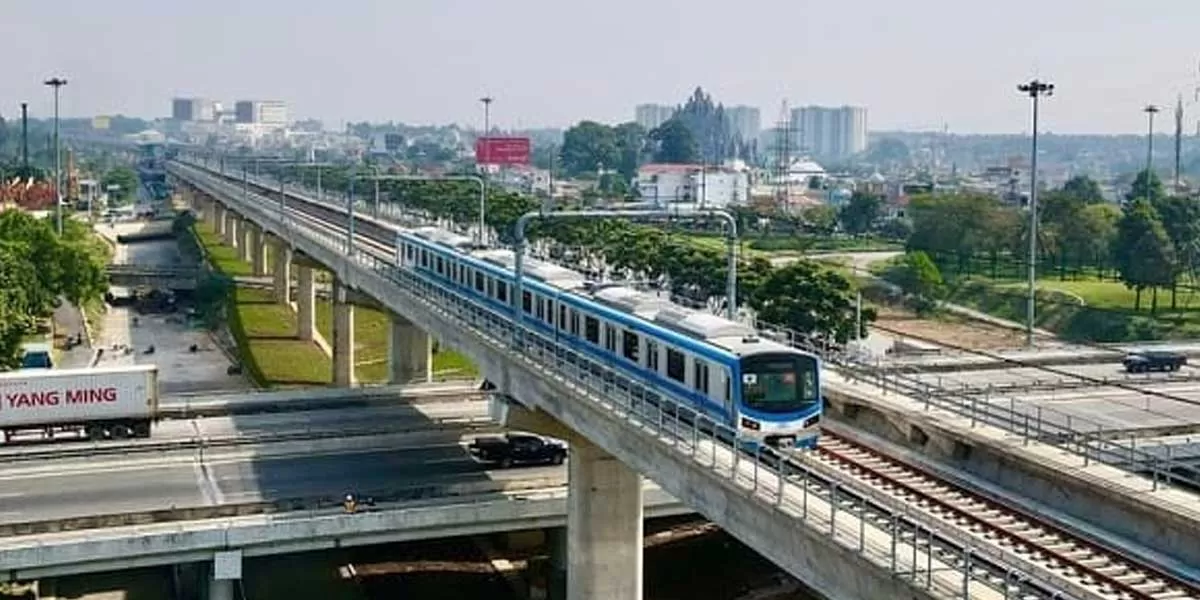
Chandigarh Metro Urban transportation plays a vital role in shaping the quality of life in growing cities. As populations increase and private vehicle ownership rises, traffic congestion, pollution, and travel delays become unavoidable challenges. The Chandigarh Tricity Chandigarh Metro region—comprising Chandigarh, Mohali, and Panchkula—is no exception. To address these challenges and prepare for future growth, the idea of the Chandigarh Metro has been proposed as a long-term solution for efficient, sustainable, and modern public transport.
The Chandigarh Metro project aims to transform the way people commute within and between the three cities, offering a reliable alternative to road-based transport while supporting planned urban development.
Why Chandigarh Needs a Metro System
Chandigarh is known for its well-planned layout, wide roads, and organized sectors. However, over the years, the city has experienced rapid population growth Chandigarh Metro due to migration, expanding educational institutions, IT parks, healthcare facilities, and administrative offices. Mohali and Panchkula have also grown significantly, increasing daily inter-city travel.
Key reasons highlighting the need for a metro system include:
- Rising number of private vehicles leading to congestion
- Increased travel time during peak hours
- Growing air and noise pollution
- Limited scope for road expansion in central sectors
- High dependence on personal transport
The Chandigarh Metro is seen as a strategic response to these issues, offering fast, high-capacity, and eco-friendly urban mobility.
Overview of the Chandigarh Metro Project
The Chandigarh Metro is envisioned as a mass rapid transit system connecting major residential, commercial, institutional, and transport hubs across the Tricity region. The project has been planned in phases to ensure manageable investment, smooth execution, and future scalability.
The proposed network focuses on providing seamless Chandigarh Metro Urban transportation plays a vital role in shaping the quality of life in growing cities. As populations increase and private vehicle connectivity between Chandigarh, Mohali, and Panchkula, reducing dependency on buses, cars, and two-wheelers. It is designed to support both daily commuters and long-distance intercity travelers.
Proposed Metro Routes and Network Design
Phase One Network
The first phase of the Chandigarh Metro is planned to cover a large part of the Tricity region through multiple corridors. These corridors aim to connect:
- Key sectors of Chandigarh
- Residential and commercial areas in Mohali
- Major growth zones and transit points in Panchkula
The routes are designed to serve high-traffic areas, including bus terminals, railway stations, educational hubs, government offices, and industrial zones.
Elevated and Underground Sections
To balance cost, efficiency, and city aesthetics, the Chandigarh Metro Urban transportation plays a vital role in shaping the quality of life in growing cities. As populations increase and private vehiclenetwork is proposed to include both elevated and underground sections.
- Elevated tracks are planned in outer and developing areas to reduce construction costs.
- Underground sections are considered in heritage and central zones to preserve the city’s architectural character and reduce visual impact.
This combination ensures modern infrastructure without compromising Chandigarh’s unique urban design.
Estimated Cost and Funding Structure
Large-scale metro projects require significant investment, and the Chandigarh Metro is no different. The overall cost is expected to run into several thousand crores of rupees, covering:
- Civil construction
- Rolling stock and signaling systems
- Land acquisition
- Stations, depots, and maintenance facilities
- Power supply and safety infrastructure
The funding model is expected to involve contributions from:
- Central Government
- State Governments of Punjab and Haryana
- Union Territory administration
- Long-term loans from financial institutions
While the initial investment is high, metro systems are considered long-term assets that deliver economic, social, and environmental benefits over decades.
Benefits of Chandigarh Metro
1. Reduced Traffic Congestion
One of the most significant advantages of the Chandigarh Metro is its ability to carry thousands of passengers per hour. This will reduce the number of private vehicles on roads, easing congestion during peak hours.
2. Time-Efficient Travel
Metro trains operate on dedicated tracks, unaffected by road traffic. This ensures predictable travel times, making daily commuting faster and more reliable.
3. Environmental Sustainability
Electric metro systems produce far less Chandigarh Metro Urban transportation plays a vital role in shaping the quality of life in growing cities. As populations increase and private vehiclecompared to fuel-based vehicles. Reduced emissions will contribute to cleaner air and support climate-friendly urban development.
4. Improved Regional Connectivity
By linking Chandigarh with Mohali and Panchkula, the metro will promote better integration of workplaces, residential areas, and public services across the region.
5. Economic Growth and Development
Metro corridors often attract commercial development, retail spaces, offices, and housing projects. This can boost employment opportunities and increase property values near stations.
Challenges Facing the Chandigarh Metro Project
Despite its benefits, the Chandigarh Metro has faced several challenges that have delayed progress.
Administrative Coordination
Since the project involves multiple governments and jurisdictions, coordination between different authorities can slow decision-making and approvals.
Cost Concerns
Metro construction is capital-intensive. Concerns about rising costs, financial viability, and long payback periods have led to cautious planning.
Public Opinion
Some residents believe that the city’s size and Chandigarh Metro Urban transportation plays a vital role in shaping the quality of life in growing cities. As populations increase and private vehicle existing road network may not justify a full-scale metro. Others suggest alternative systems such as light rail or tram networks.
Land and Infrastructure Constraints
Building stations, depots, and tracks in developed areas requires careful planning to avoid disruption to existing infrastructure and daily life.
Comparison with Other Indian Metro Systems
India has seen rapid expansion of metro rail systems in cities such as Delhi, Bengaluru, Chennai, and Hyderabad. These cities initially faced similar debates but later Chandigarh Metro Urban transportation plays a vital role in shaping the quality of life in growing cities. As populations increase and private vehicle witnessed clear benefits in terms of mobility and urban efficiency.
The Chandigarh Metro, while smaller in scale, can learn from these systems by adopting best practices in:
- Project management
- Cost control
- Passenger convenience
- Safety and accessibility
Such lessons can help ensure smoother implementation and long-term success.
Future Expansion Plans
Beyond the initial phase, long-term plans for the Chandigarh Metro may include extensions to nearby towns and developing urban centers. These expansions could support regional growth and reduce pressure on city cores.
Potential future developments include:
- Integration with bus rapid transit systems
- Smart ticketing and digital payment systems
- Transit-oriented development around stations
- Last-mile connectivity through electric buses and shared mobility
These initiatives would strengthen the metro’s role as the backbone of public transport in the region.
Conclusion
The Chandigarh Metro represents more than just a transportation project—it symbolizes a vision for sustainable urban living and future-ready infrastructure. As the Tricity region continues to grow, the demand for efficient, reliable, and environmentally friendly mobility solutions will only increase.
Although the project faces challenges related to cost, Chandigarh Metro Urban transportation plays a vital role in shaping the quality of life in growing cities. As populations increase and private vehicle, and public perception, its long-term benefits are substantial. With careful planning, transparent decision-making, and public engagement, the Chandigarh Metro has the potential to transform daily commuting, reduce environmental impact, and support balanced urban development.
