

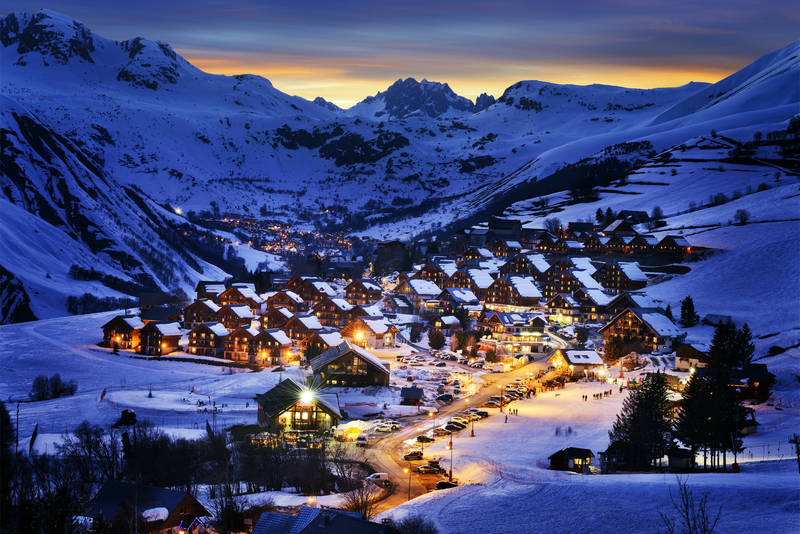
The French Alps are among the most breathtaking mountain regions in the world, offering a remarkable blend of dramatic landscapes, deep-rooted traditions, and endless opportunities for adventure. Rising majestically in southeastern France, this alpine region has long inspired explorers, artists, athletes, and travelers seeking both excitement and tranquility. With towering peaks, pristine lakes, charming villages, and a lifestyle shaped by the mountains, the French Alps represent a destination where nature and culture exist in perfect harmony.
Geography and Natural Splendor
The French Alps form part of the greater Alpine mountain system that stretches across Europe. This region is defined by powerful geological features such as steep ridges, deep valleys, expansive glaciers, and snow-covered summits that dominate the horizon. At the heart of this mountain chain stands Mont Blanc, the highest peak in Western Europe, a symbol of alpine grandeur and endurance.
The landscape of the French Alps is not limited to high peaks alone. Rolling alpine meadows, dense forests, crystal-clear rivers, and tranquil lakes create a varied natural environment. Seasonal changes dramatically transform the scenery — from snowy white winters to lush green summers — ensuring that the region offers visual beauty throughout the year.
A Region Shaped by History
Human life in the French Alps dates back thousands of years. Early settlers adapted to the harsh mountain environment by developing farming techniques, trade routes, and architectural styles suited to alpine conditions. Over time, the mountains also played a strategic role in European history, serving as natural borders and trade corridors.
Medieval towns, stone churches, and centuries-old mountain passes still stand as reminders of this long history. Many villages preserve traditional wooden chalets and historic town centers, allowing visitors to step back in time and experience authentic alpine heritage.
Charming Alpine Villages
One of the most captivating aspects of the French Alps is its villages and small towns. Nestled between mountains and valleys, these communities are known for their scenic beauty, welcoming atmosphere, and cultural authenticity. Cobblestone streets, flower-filled balconies, and local markets give each village a distinct character.
Life in these alpine communities revolves around seasonal rhythms. Winter brings snow sports and cozy evenings by the fire, while summer is filled with farming, festivals, and outdoor gatherings. Visitors are often drawn to the slower pace of life, where tradition and community remain deeply valued.
Winter Wonderland and Snow Sports
During winter, the French Alps transform into one of the world’s premier destinations for snow sports. Thick blankets of snow cover the mountains, creating ideal conditions for skiing, snowboarding, and other winter activities. The region is famous for its vast ski areas, modern infrastructure, and slopes suited to all skill levels.
Beyond skiing, visitors can enjoy snowshoeing, ice climbing, sledding, and scenic cable-car rides that offer stunning panoramic views. Winter tourism has played a major role in shaping the modern identity of the French Alps, contributing to its global reputation as a top alpine destination.
Summer Adventures in the Mountains
When the snow melts, the French Alps reveal an entirely different side of their beauty. Summer brings vibrant wildflowers, clear mountain air, and endless outdoor possibilities. Hiking is one of the most popular activities, with trails ranging from gentle valley walks to challenging high-altitude routes.
Cycling, mountain biking, paragliding, rock climbing, and lake swimming are also widely enjoyed during the warmer months. The peaceful atmosphere of summer allows visitors to connect with nature, explore remote landscapes, and experience the mountains at a slower, more reflective pace.
Rich Biodiversity and Wildlife
The French Alps are home to a wide variety of plant and animal species adapted to alpine conditions. Meadows bloom with colorful flowers in spring and summer, while forests shelter diverse wildlife such as ibex, chamois, marmots, and birds of prey.
Protecting this biodiversity has become increasingly important. Conservation efforts focus on preserving natural habitats, managing tourism responsibly, and raising awareness about environmental sustainability. National parks and protected areas play a vital role in safeguarding the fragile ecosystems of the French Alps for future generations.
Alpine Cuisine and Local Traditions
Food is an essential part of alpine culture, and the French Alps are known for their hearty, comforting cuisine. Traditional dishes often feature cheese, potatoes, cured meats, and locally sourced ingredients designed to provide warmth and energy in a mountain climate.
Meals are more than nourishment — they are social experiences that bring families and communities together. Local recipes are passed down through generations, and many villages celebrate food through seasonal festivals and markets. Alpine cuisine reflects the region’s strong connection to the land and its agricultural heritage.
Festivals and Cultural Life
Despite their remote appearance, the French Alps are culturally vibrant. Throughout the year, villages host festivals celebrating music, folklore, agriculture, and seasonal traditions. These events often include traditional costumes, dancing, and local crafts, offering visitors a chance to experience authentic mountain culture.
Modern cultural influences also coexist with tradition. Art exhibitions, sports events, and international gatherings bring new energy to alpine towns, creating a dynamic cultural balance between past and present.
Sustainable Tourism and the Future
As tourism continues to grow, sustainability has become a key focus in the French Alps. Climate change, shifting weather patterns, and environmental pressures are reshaping how the region approaches development and tourism.
Efforts are being made to promote eco-friendly travel, renewable energy, and responsible outdoor activities. Many communities are investing in sustainable infrastructure while encouraging visitors to respect nature and local traditions. The future of the French Alps depends on maintaining a balance between accessibility and preservation.
Why the French Alps Remain Unforgettable
The French Alps offer more than just stunning scenery; they provide a complete experience that blends adventure, culture, history, and natural beauty. Whether exploring French Alps snowy peaks, wandering through ancient villages, or enjoying peaceful summer trails, visitors find a sense of wonder that stays with them long after they leave.
